
Cooking Methods That Preserve Nutrition
Discover how to cook your meals while keeping the vitamins, minerals, and nutrients intact. Learn science-backed techniques that transform your kitchen into a wellness center.
Trusted by health-conscious readers across Germany and Europe
The information on this site is for educational purposes only and does not constitute medical advice. Always consult a qualified healthcare professional before making health decisions.
Why Cooking Methods Matter for Your Nutrition
The way you cook your food is just as important as what you choose to eat. Different cooking techniques can preserve or destroy essential nutrients that your body depends on for optimal function.
At Cooking for Wellness, we believe that informed cooking choices lead to better health outcomes. Whether you're steaming broccoli, roasting root vegetables, or poaching fish, understanding the science behind each method empowers you to make decisions that support your nutritional goals.
Retain up to 90% of water-soluble vitamins with proper technique
Preserve mineral content and bioavailability for better absorption
Enhance natural antioxidants and phytonutrients through smart cooking
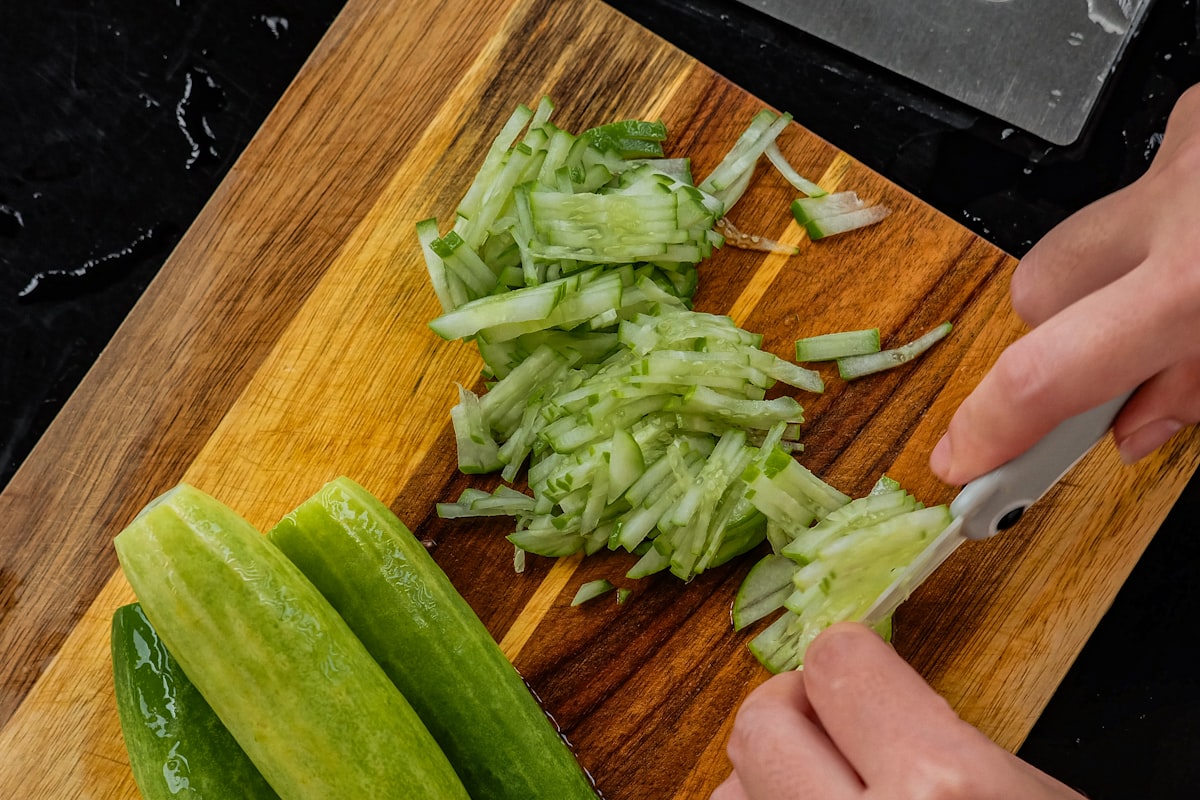
Five Core Cooking Methods Explained
Each method has unique benefits and optimal applications. Learn which techniques best preserve the nutritional value of your ingredients.
Steaming
One of the gentlest cooking methods, steaming uses moist heat to cook vegetables while minimizing nutrient loss. Vitamins B and C are particularly well-preserved through this technique.
- • Best for: leafy greens, broccoli, carrots
- • Nutrient retention: 85-95%
- • Time: 5-15 minutes
Poaching
Poaching in water or broth at low temperatures is excellent for proteins. This method prevents nutrient oxidation and maintains the tender texture of delicate foods like fish and eggs.
- • Best for: fish, poultry, eggs
- • Nutrient retention: 80-90%
- • Time: 10-25 minutes
Roasting
Roasting at moderate temperatures concentrates flavors and can actually enhance certain antioxidants. Use lower temperatures and avoid prolonged exposure to preserve heat-sensitive nutrients.
- • Best for: root vegetables, peppers, mushrooms
- • Nutrient retention: 70-85%
- • Time: 20-40 minutes
Stir-Frying
Quick, high-heat cooking preserves crispness and texture while minimizing cooking time. The brief exposure to heat helps retain heat-sensitive vitamins when done at the right temperature.
- • Best for: mixed vegetables, tender greens, tofu
- • Nutrient retention: 75-90%
- • Time: 3-8 minutes
Pressure Cooking
Modern pressure cooking dramatically reduces cooking time, which actually preserves more nutrients than traditional boiling. The sealed environment prevents nutrient leaching into water.
- • Best for: legumes, grains, tough vegetables
- • Nutrient retention: 85-95%
- • Time: 5-20 minutes
Raw Preparation
Fresh, uncooked foods preserve all heat-sensitive enzymes and vitamins. Raw preparation is ideal for certain vegetables and fruits, though some nutrients become more bioavailable when lightly cooked.
- • Best for: salads, smoothies, fruits, nuts
- • Nutrient retention: 100% (no heat loss)
- • Prep time: 5-10 minutes
How to Steam Vegetables Perfectly
Steaming is one of the most effective methods for preserving nutrients. Follow these steps to master this essential technique.
Prepare Your Equipment
Fill a pot with 2 inches of water. Place a steamer basket above the water level. Ensure the basket doesn't touch the water.
Prepare Vegetables
Wash vegetables thoroughly. Cut into uniform, bite-sized pieces so they cook evenly. Leave skins on when possible to retain nutrients.
Steam with Precision
Bring water to a boil, then add vegetables. Cover with a lid. Steam for 5-10 minutes depending on vegetable type and size.
Finish and Serve
Vegetables should be tender but still slightly crisp. Remove immediately. Season lightly with herbs, olive oil, or lemon juice.
Why Choose Cooking for Wellness
We're committed to providing science-based, practical information about nutrition-preserving cooking techniques.
Evidence-Based Content
All our guides are grounded in nutritional science and peer-reviewed research. We explain the "why" behind every recommendation so you understand what happens during cooking.
Real Kitchen Solutions
Our articles go beyond theory. We provide step-by-step instructions, timing guides, and troubleshooting tips that work in everyday home kitchens across Germany and Europe.
Clear, Accessible Guides
No jargon, no unnecessary complexity. Whether you're a cooking beginner or experienced in the kitchen, our content is written for easy understanding and immediate application.
Comprehensive Coverage
From traditional steaming to modern pressure cooking, we cover every major cooking method with detailed nutritional impact analysis and practical applications.
Regularly Updated
As nutrition science evolves, so does our content. We continuously update our guides to reflect the latest research and emerging best practices in nutrient preservation.
Reader-Driven Approach
We listen to our community. Questions and feedback from readers help us identify gaps in our coverage and create guides that address real cooking challenges.
What Our Readers Say
Real experiences from people who have transformed their cooking habits with our guidance.
"I've been following Cooking for Wellness for three months now. The detailed explanations about steaming versus boiling completely changed how I prepare vegetables. My family can actually taste the difference, and I feel more confident knowing I'm preserving the nutrients they need. The step-by-step guides are so easy to follow."
Maria Schneider
Berlin
"As someone who invested in a pressure cooker, I was unsure about its actual benefits for nutrition. This website explained exactly how pressure cooking preserves nutrients better than traditional boiling. Now I use it confidently at least three times a week. Highly recommend to anyone interested in healthy cooking."
Klaus Weber
Munich
"I've shared these articles with my mother and sister. The information is so well-researched and explained without being overwhelming. What I appreciate most is that they don't just tell you what to do—they explain the science so you understand why it matters. This has genuinely improved how my whole family eats."
Sophie Hoffmann
Hamburg
"Before discovering this site, I thought I was doing everything right in the kitchen. The article about nutrient retention in different cooking methods opened my eyes. I've adjusted my techniques and my meals taste better and feel more nourishing. The practical tips about temperature control were especially helpful."
Thomas Müller
Frankfurt
"The guides are incredibly detailed and yet simple to understand. I never realized how much I was losing by boiling my vegetables. Now I steam or roast them, and the difference is noticeable. Plus, my groceries last longer when prepared this way. Best resource I've found on this topic."
Anna Bauer
Cologne
"I'm a vegetarian and want to ensure I'm getting maximum nutrition from my plant-based diet. This site has been invaluable. The detailed breakdown of which cooking methods preserve specific nutrients in vegetables has changed my entire approach to meal preparation. Excellent resource."
Petra Richter
Dresden
Frequently Asked Questions
Common questions about nutrition-preserving cooking methods.
Yes. Boiling can leach water-soluble vitamins (B vitamins and vitamin C) into the cooking water, which is typically discarded. Steaming keeps vegetables above the water, so nutrients remain in the food. Studies show steaming preserves 85-95% of nutrients, while boiling may retain only 50-70%. This is why steaming is recommended for vegetables that contain significant amounts of water-soluble vitamins.