
Cooking Methods That Preserve Nutrition
Discover science-backed techniques to retain vitamins, minerals, and vital nutrients in every meal
The information on this site is for educational purposes only and does not constitute medical advice. Always consult a qualified healthcare professional before making health decisions.
Explore Our Collection
Steaming
Steaming uses gentle, moist heat to cook vegetables, fish, and grains while preserving heat-sensitive vitamins like vitamin C and B-complex. Water never directly contacts food, minimizing nutrient loss. Ideal cooking time ranges from 5-15 minutes depending on ingredient thickness.
Nutrient Retention: 75-90% of vitamins preserved
Discover steaming techniques →
Boiling
Traditional boiling directly exposes food to high-temperature water, which can leach water-soluble vitamins into the cooking liquid. To maximize nutrition retention, use minimal water, cover the pot to reduce cooking time, and repurpose the cooking water in broths or soups.
Nutrient Retention: 50-65% of vitamins preserved
Learn smart boiling methods →
Baking & Roasting
Dry heat methods like roasting and baking concentrate flavors while preserving minerals and fat-soluble vitamins (A, D, E, K). Keeping vegetable skins intact and using moderate temperatures (around 400°F/200°C) maximizes nutrient preservation while creating delicious caramelized textures.
Nutrient Retention: 70-85% of vitamins preserved
Explore roasting best practices →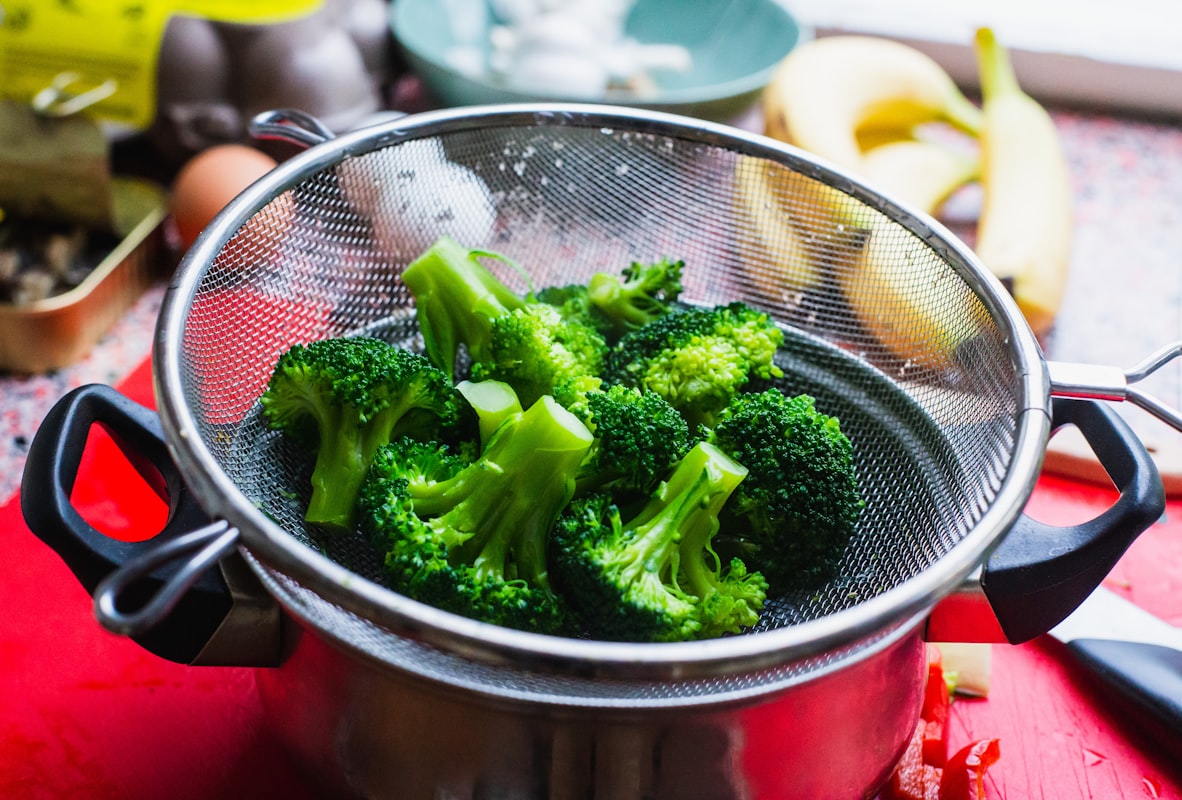
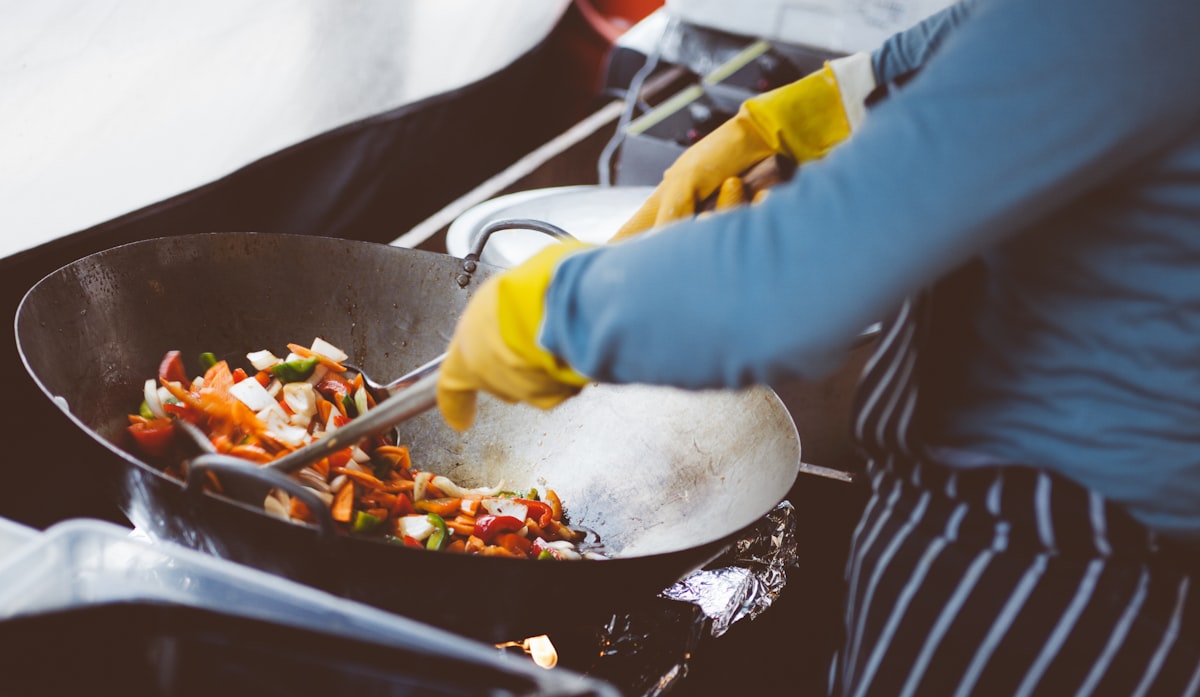
Stir-Frying
Stir-frying combines high heat with minimal cooking time, preserving more vitamins than boiling. The rapid movement ensures even cooking while vegetables retain their crunch and nutritional value. Use high-heat-stable oils like coconut or avocado oil for optimal results.
Nutrient Retention: 80-95% of vitamins preserved
Master stir-fry nutrition →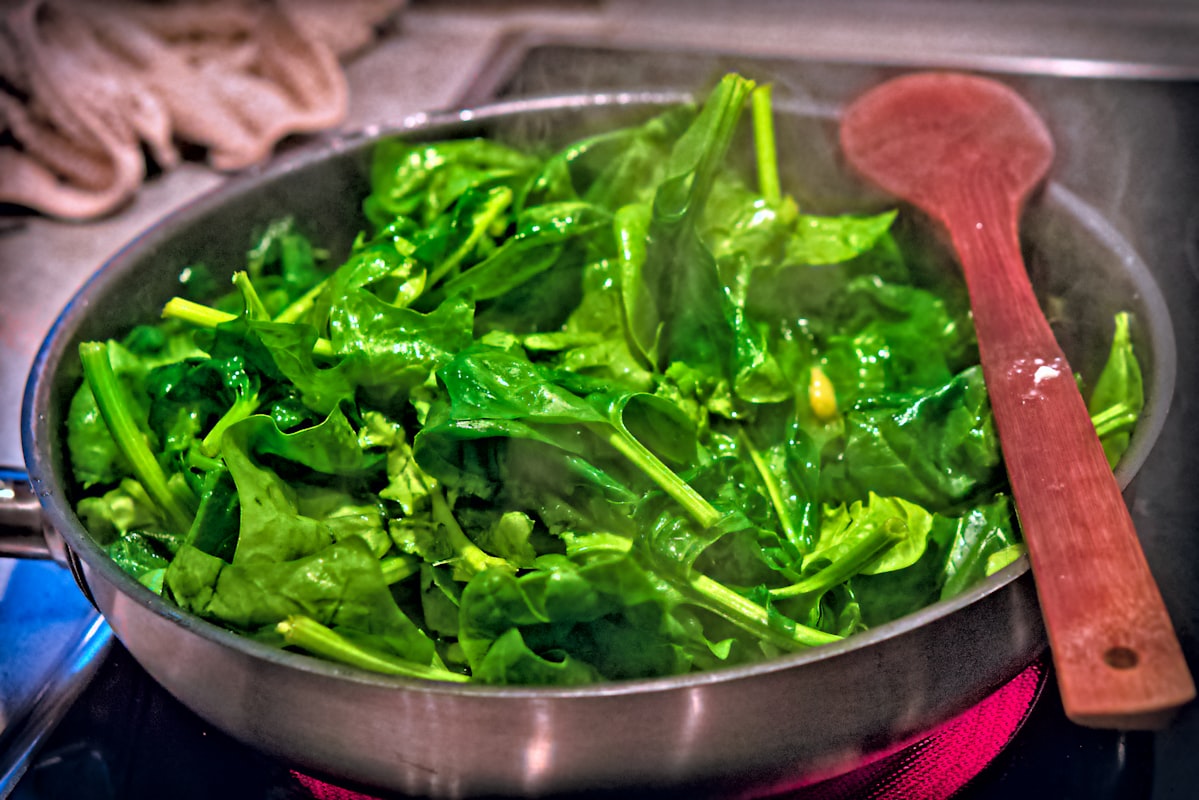
Raw & Cold Preparation
Eating raw vegetables, fruits, and cold-pressed juices eliminates heat damage entirely, preserving all heat-sensitive enzymes and water-soluble vitamins. This method works best for leafy greens, berries, and fresh herbs. Pairing raw foods with healthy fats improves nutrient absorption.
Nutrient Retention: 100% of enzymes & vitamins
Maximize raw nutrition benefits →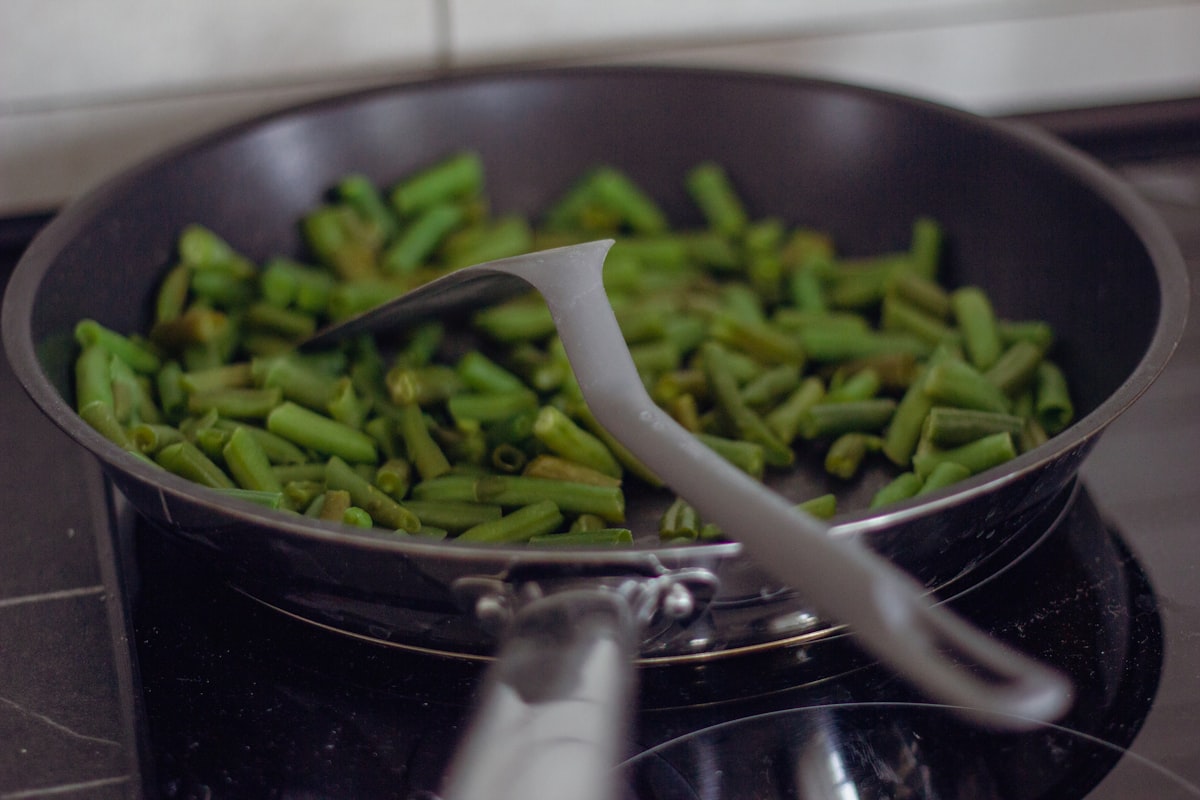
Slow Cooking
Slow cooking at low temperatures (around 190-210°F/87-99°C) for extended periods gently breaks down cell walls while keeping nutritious cooking liquids within the pot. This method is excellent for bone broths, legumes, and tough cuts of meat, creating nutrient-dense dishes.
Nutrient Retention: 65-80% of vitamins preserved
Understand slow cooking benefits →Heat vs. Time: The Nutrient Equation
The relationship between cooking temperature and duration fundamentally affects nutrient preservation. Higher heat for shorter periods often preserves more vitamins than lower heat for extended times, because nutrient degradation accelerates exponentially with temperature.
Water-soluble vitamins (B and C) are most vulnerable to both heat and water exposure, while fat-soluble vitamins (A, D, E, K) withstand cooking better but benefit from minimal heat. Minerals like iron and calcium are heat-stable but can leach into cooking water.
Understanding these principles helps you choose the best cooking method for each ingredient. Delicate greens suit raw consumption or brief steaming, while hearty root vegetables tolerate roasting or slow cooking without significant nutrient loss.
Quick Comparison Guide
Best Overall Retention: Steaming & Stir-Frying
Short cooking times minimize nutrient loss
Most Nutrient-Dense Outcome: Raw Preparation
Preserves all enzymes and heat-sensitive compounds
Best for Mineral Availability: Slow Cooking
Gently extracts minerals into nutritious broths
Least Ideal: Traditional Boiling
High water exposure causes significant vitamin loss
Common Questions About Cooking Methods
Yes, steaming is significantly superior to boiling for nutrient preservation. In steaming, food sits above water and cooks in steam without direct water contact, preventing water-soluble vitamins from leaching away. Studies show steaming retains 75-90% of vitamins, while boiling retains only 50-65%. For vegetables like broccoli and carrots, steaming preserves more vitamin C and folate than any other cooking method except raw consumption.
Visual Guide: Cooking Methods in Action
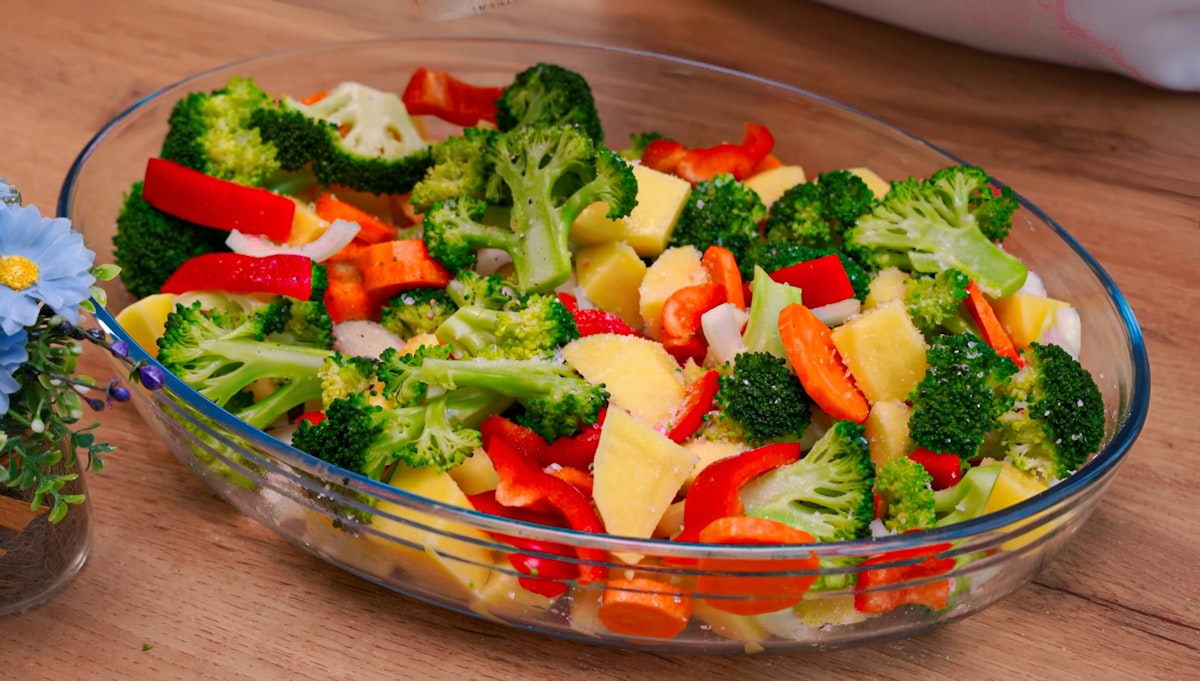
Steaming Setup
Bamboo steamers and metal steamer baskets create the ideal environment for gentle, nutrient-preserving cooking
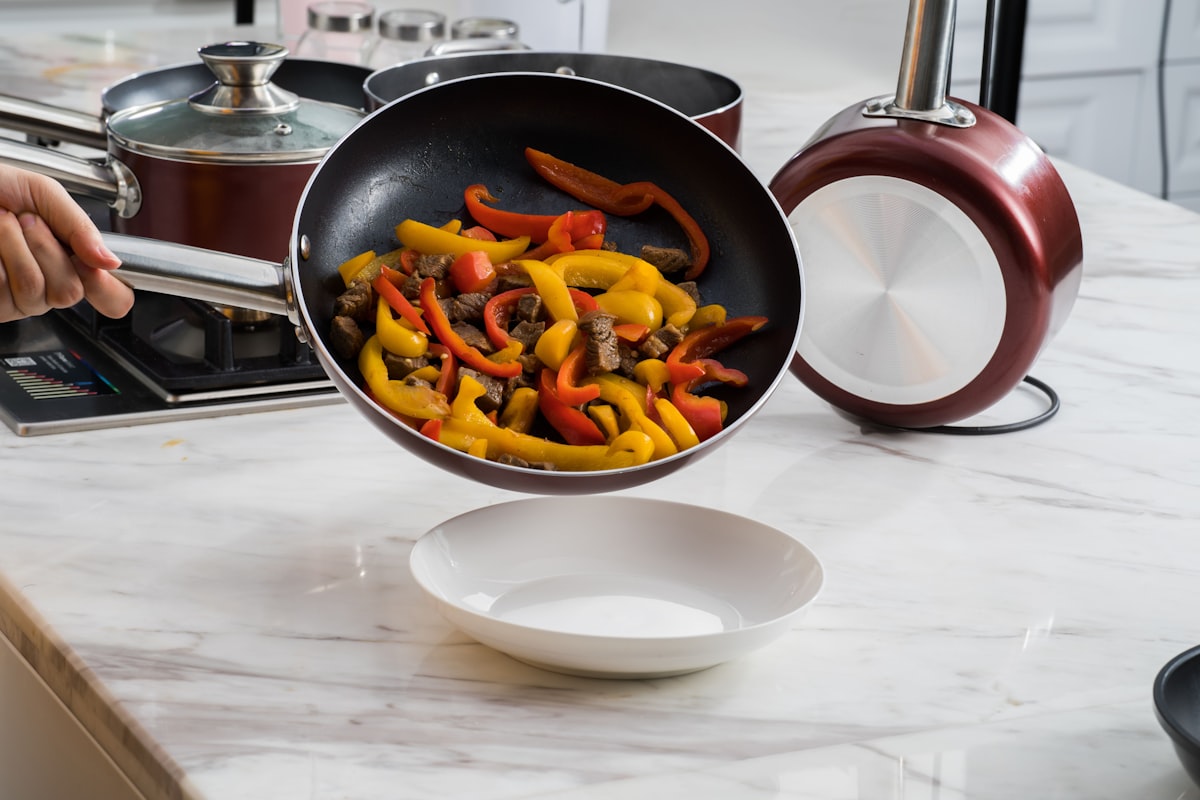
Perfect Stir-Fry
High heat with constant movement preserves crunch, color, and nutritional integrity in minutes
Slow Cooker Magic
Low-temperature cooking creates nutrient-dense broths and tender vegetables with minimal nutrient loss
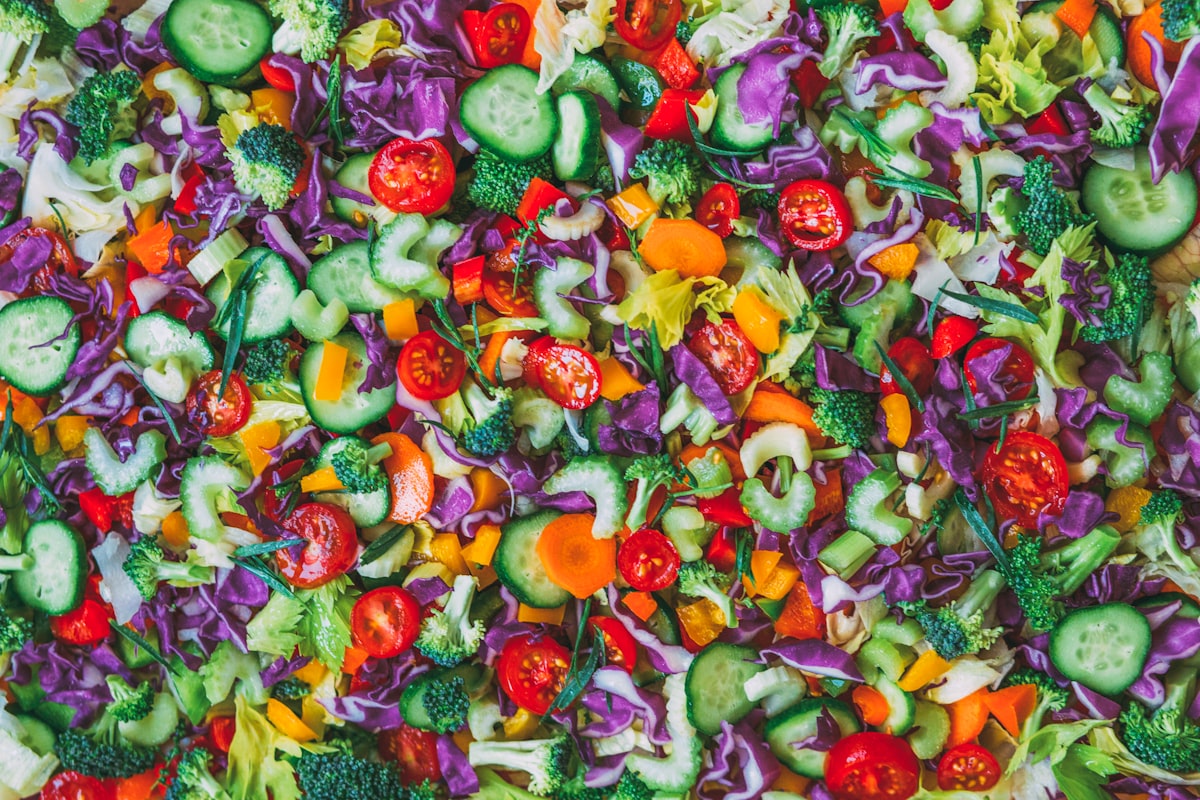
Raw Preparation
Minimally processed raw foods maximize enzyme and vitamin content for peak nutrition
Roasting Perfection
Dry heat creates caramelized vegetables while preserving minerals and fat-soluble vitamins
Recycle Cooking Water
Transform leftover cooking liquid into nutritious bases for soups and grain preparation
What Culinary Professionals Say
"Since learning about nutrient-preserving cooking methods, I've completely transformed how I prepare meals in my restaurant kitchen. Switching from boiling to steaming for vegetables has received incredible feedback from our health-conscious diners, and the vegetables genuinely taste better. This knowledge has become a competitive advantage for us."
Marcus Keller
Executive Chef, Berlin
"I recommend the Cookingforwellness approach to all my clients interested in optimizing their nutrient intake through food preparation. The science is sound, the techniques are practical, and the results speak for themselves. Understanding heat dynamics and timing has empowered people to make better choices in their own kitchens."
Elena Richter
Nutritionist, Munich
"This content helped me understand why my homemade meals feel more nourishing than restaurant versions. Simple techniques like proper steaming duration and repurposing cooking water have actually improved my energy levels. I've shared these articles with my entire family and they're all adopting these methods."
Sophie Wagner
Home Cook, Hamburg
"As a cooking instructor, I've integrated these preservation methods into my curriculum. Students are fascinated by the science behind cooking techniques and appreciate learning why steaming retains more vitamin C than boiling. It makes them more intentional and mindful in the kitchen."